About
About
About
About
About
FOR JOBS AT TOBACCO FACTORY ENTERPRISES | CLICK FOR DETAILS |
FOR JOBS AT TOBACCO FACTORY ENTERPRISES | CLICK FOR DETAILS |
Tobacco factory
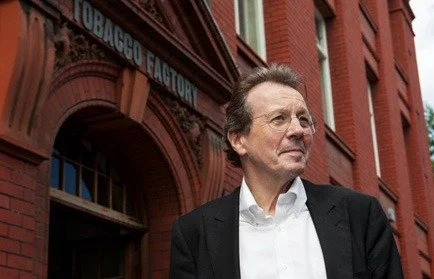
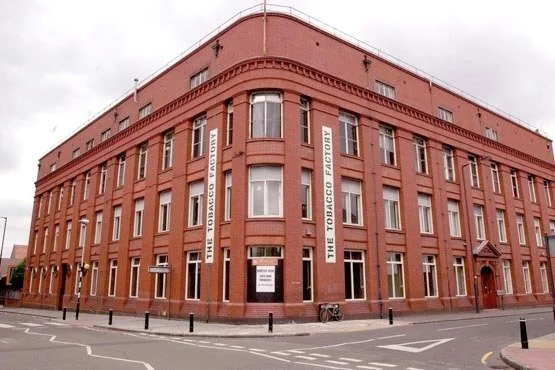
Tobacco Factory is one of the last survivors from the vast Imperial Tobacco site. It was saved from demolition by architect George Ferguson – read more about our history here.
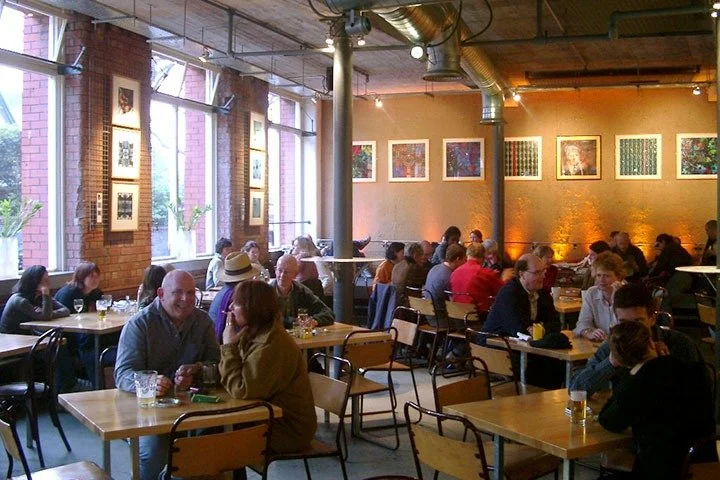
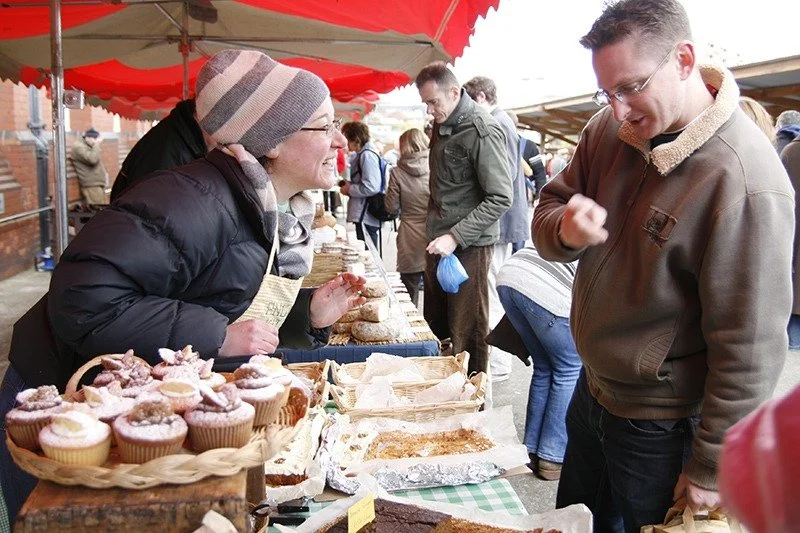
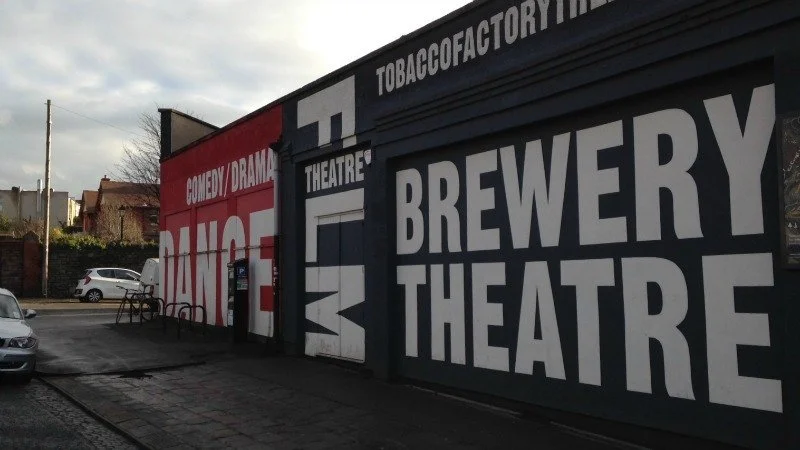
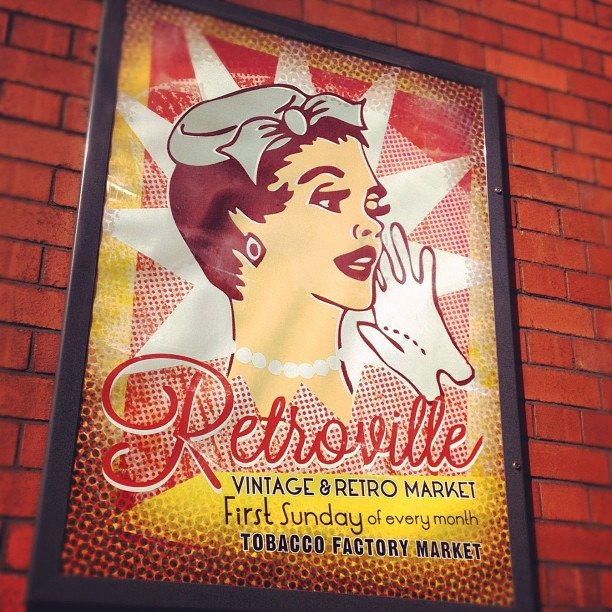
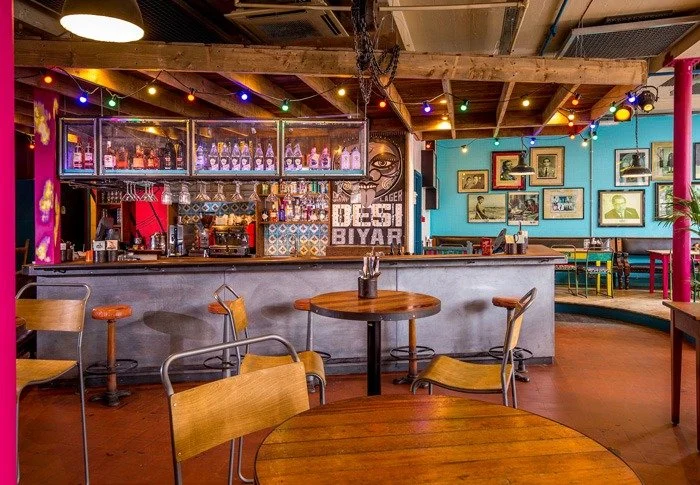
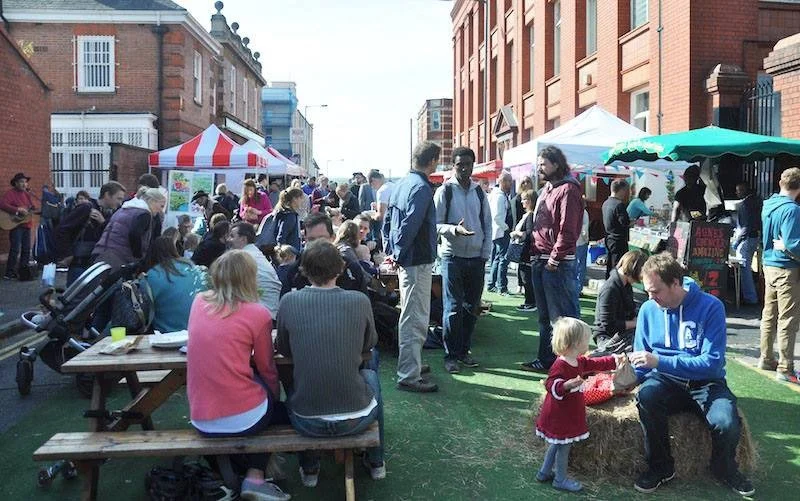
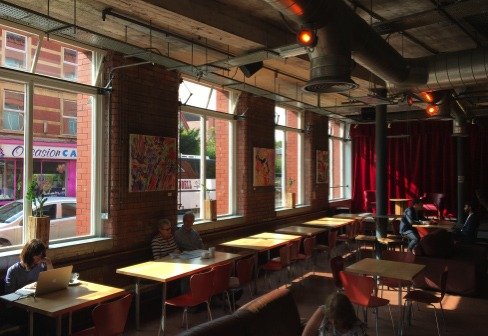
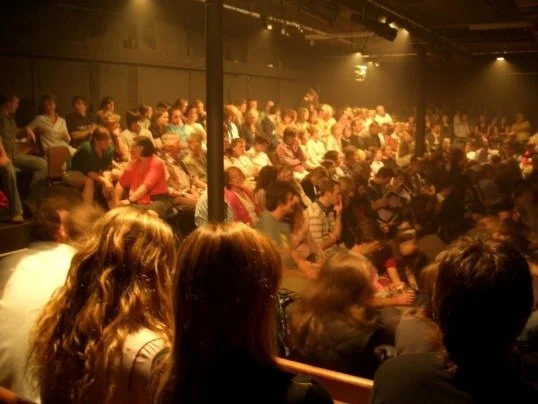
Today, Tobacco Factory is a multi-purpose building that houses a lively Cafe Bar, Mark’s Bakery, The Loft space, The Studio room, The Snug, and Sunday Market, as well as meeting spaces, offices for creative businesses and a performing arts school. The building is also home to Tobacco Factory Theatres – one of the most exciting performance venues in the country.

Strike a light for independents
Led by Bristol’s first elected mayor, George Ferguson, Tobacco Factory is a leading light in the campaign to support and champion independent, local business.
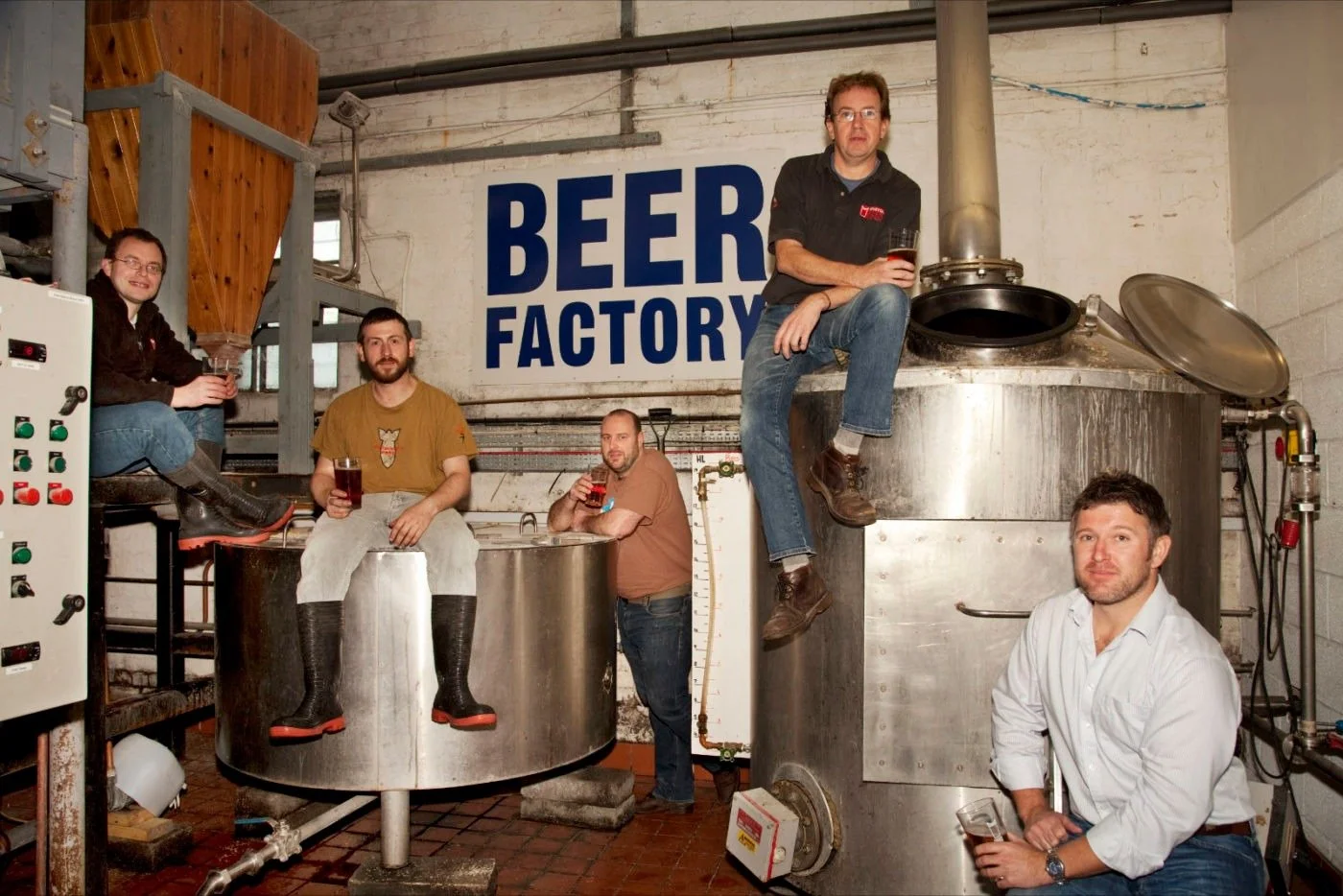
Founded on George’s belief that independent businesses are the lifeblood of our city, and give North Street its distinctive character, Tobacco Factory is proudly reliant on independent brewers, producers and suppliers.
The building’s transformation has been a catalyst for regeneration in the area, and Tobacco Factory’s continued support of independents has made it a hub for the area’s flourishing business community.
Find out more about just some of the local producers and supplies we regularly work with on our Friends & Suppliers page.
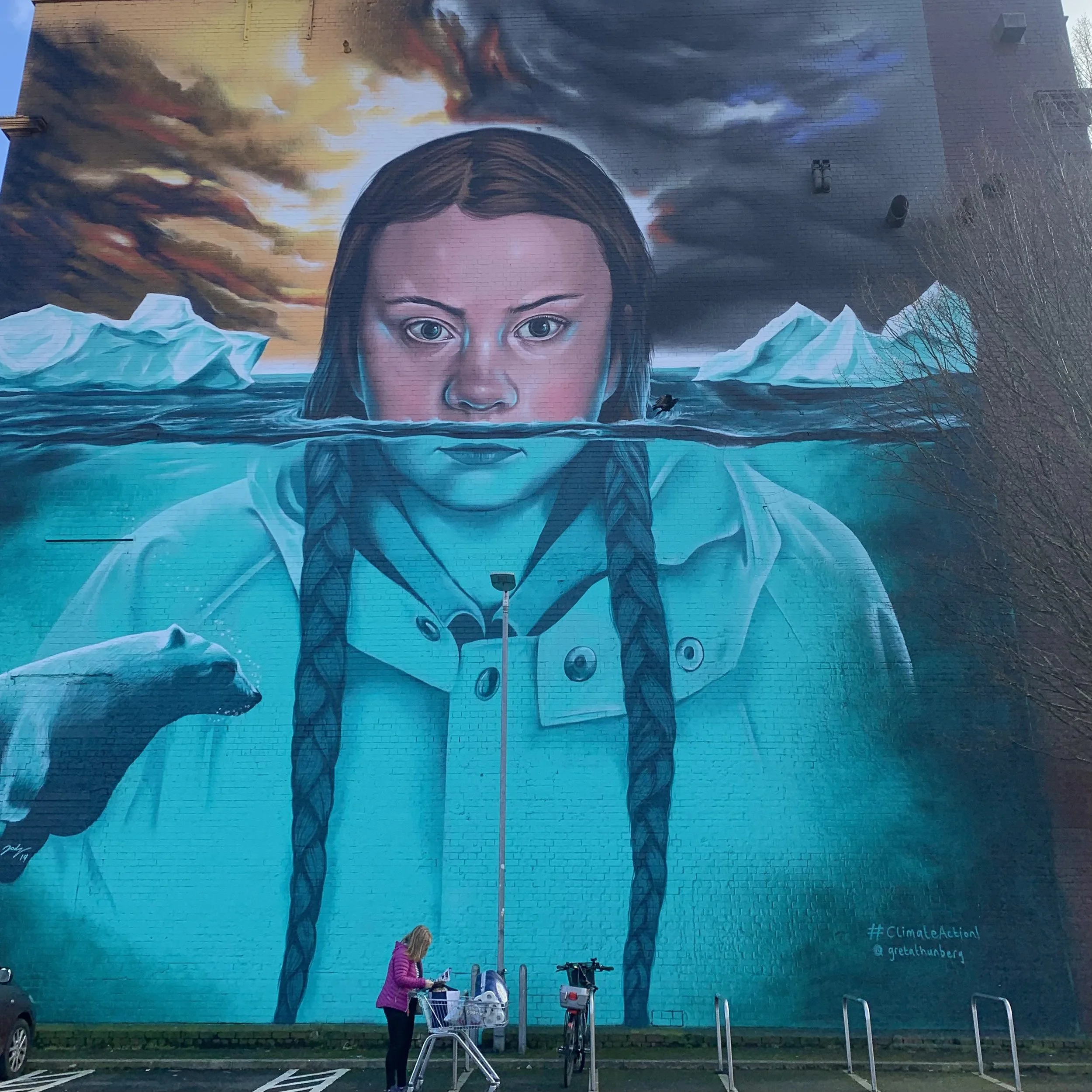
We are committed to supporting the local community and reducing our impact on the environment. Here are some of the ways that we try to make a difference…
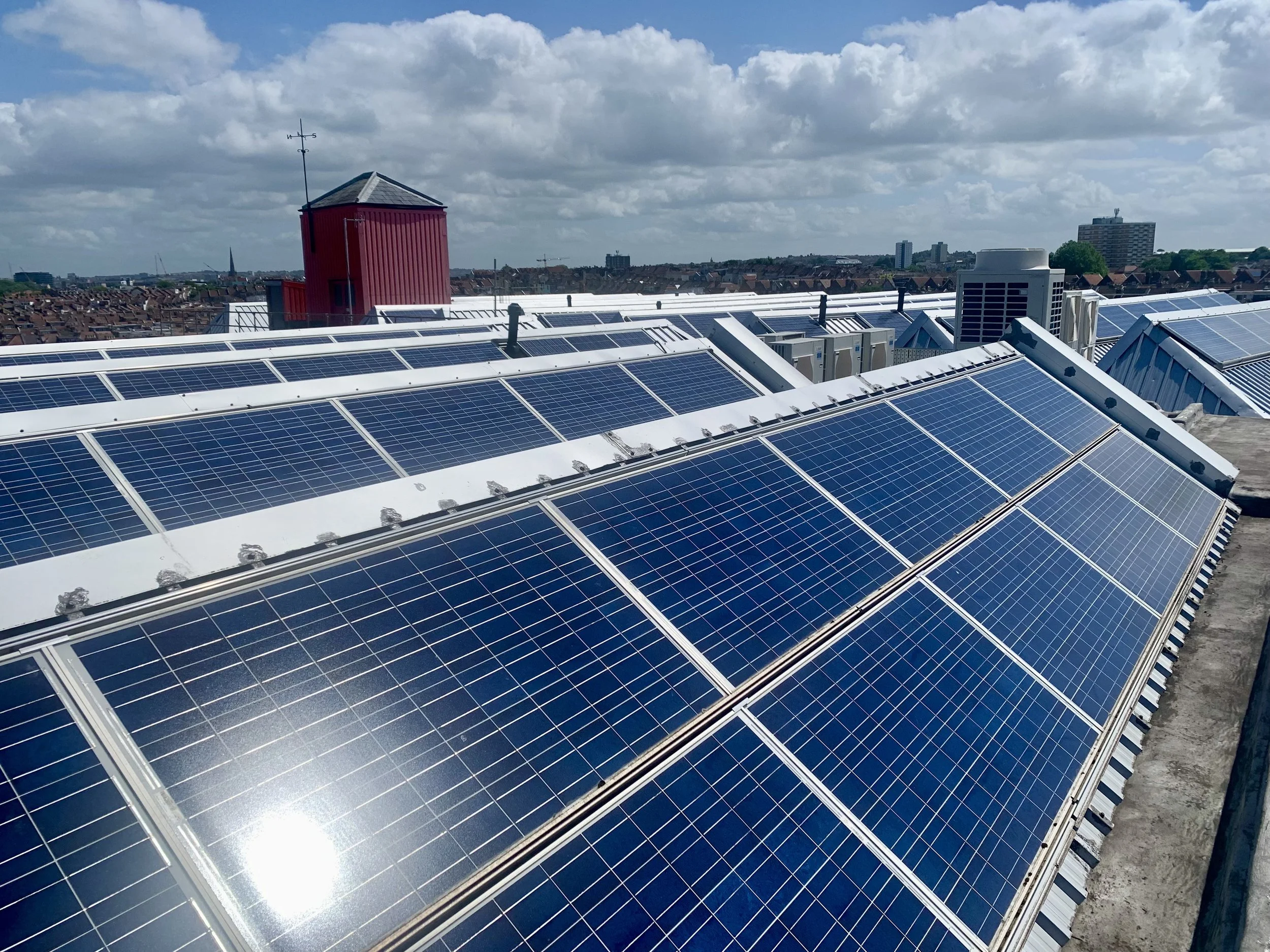
Up to
33%
of the Tobacco Factory Theatre’s electricity is generated by solar energy
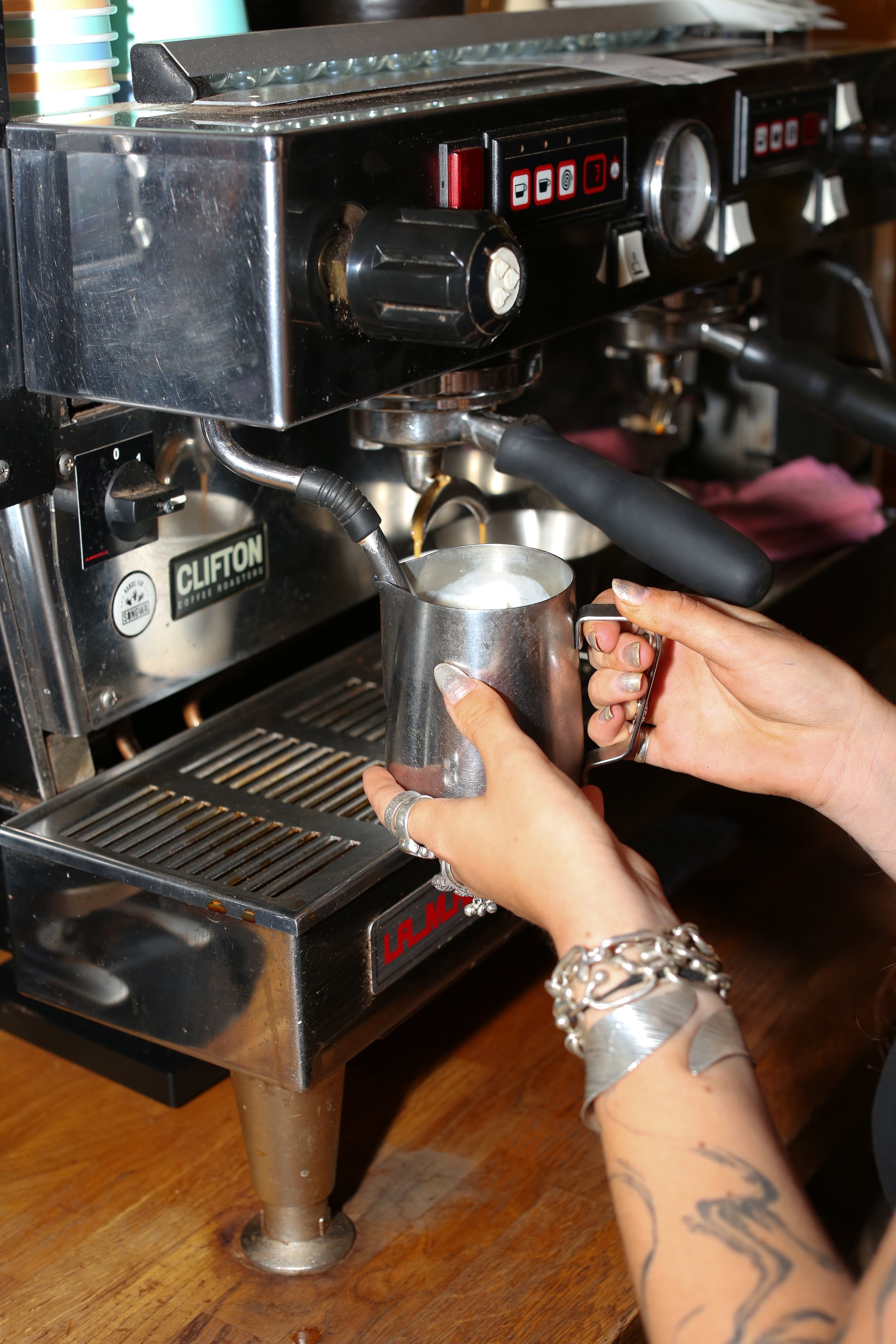
Our coffee machine is solar
powered, serving around
80,000
hot drinks a year
We separate and recycle at least
80%
of our waste
bike racks
are provided on every floor
energy saving lighting
is used throughout the building
We work hard to keep our
prices fair
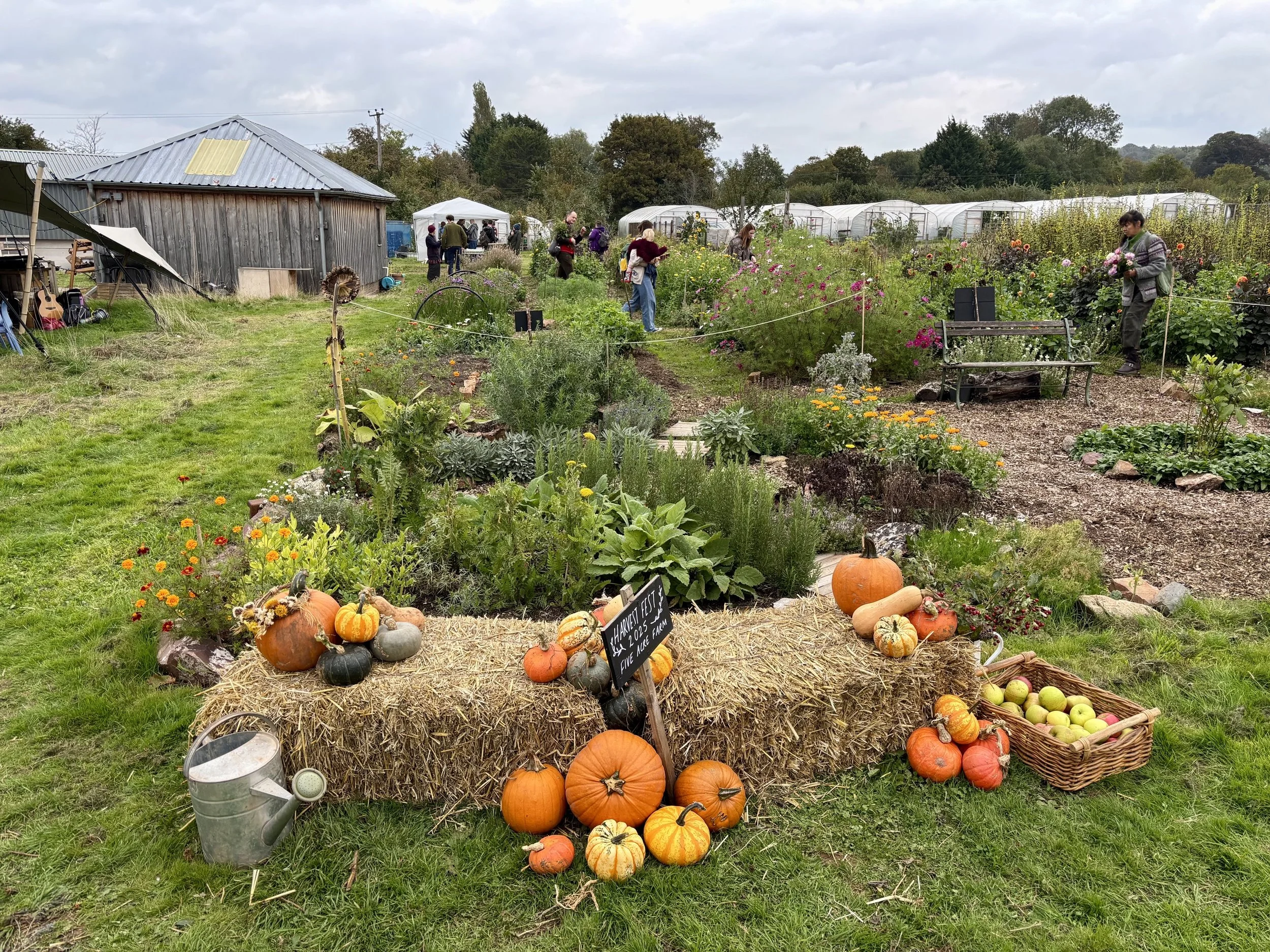
we grow our own
with as many ingredients as possible coming from our own farm in Backwell or from other local suppliers
Meet the Team
-
![George Ferguson]()
George Ferguson
RESIDENT CARETAKER
Seeing the potential for an exciting mixed use project, George saved the Tobacco Factory building from demolition and set about creating the cultural, social and creative hub that it is today.
-
![Sarah Ford, Managing Director]()
Sarah Ford
MANAGING DIRECTOR
Having joined Tobacco Factory at the outset to set up the Cafe Bar in 2001, Sarah oversees all aspects of Tobacco Factory's Cafe Bar, including events, the Sunday Market as well as Grain Barge.
-
![Tim Myers, Facilities Manager]()
Tim Myers
FACILITIES MANAGER
Looking after all aspects of the Tobacco Factory building and the Grain Barge, Tim is a self confessed construction nerd and is never happier than when calculating wall thickness and heat retention.
-
![Anna Gilman]()
Anna Gilman
EVENTS MANAGER
Previously the Cafe Bar Manager, Anna is these days very happily throwing our parties, being responsible for the public events at Tobacco Factory and Grain Barge. From our bustling Food Truck Fridays, New Years Eve parties, festivals and everything in between... she is ensuring that our lovely customers and community have a lovely time!
-
![Charles Mooyaart, Executive Chef]()
Charles Mooyaart
EXECUTIVE CHEF
Charles joins us with a mission to spread his belief that food should be ethical and fun - bringing people together with classic dishes made with locally sourced seasonal ingredients.
-
![Shaun Harrigan]()
Shaun Harrigan
GENERAL MANAGER
Bringing 25 years experience to the role, Shaun describes his special skill as ‘patience’. When not enjoying writing up the weekly staff rota, he juggles drawing, painting, printing, cycling and hiking.
-
![Victoria Folds]()
Victoria Folds
FINANCE MANAGER
With over 25 years of various Finance experience both in industry and practice, Vic joined TFE in 2022 and has been invaluable in supporting its growth… Behind the accountant façade, Vic is an old raver and goes to several festivals a year.
-
![Katie Holloway, Graphic Designer and Exhibition Curator]()
Katie Holloway
GRAPHIC DESIGNER AND EXHIBITION CURATOR
Katie is the graphic designer + sign writer across the TFE venues, also organising the exhibitions at Tobacco Factory and Grain Barge, sharing the amazing work of Bristol’s local artists. Outside of work, you can find Katie exploring Bristol's green spaces, riding her bike or painting murals on walls with the Bristol Mural Collective.
-
![Nay Groves]()
Nay Groves
SOCIALS AND CONTENT LEAD
Nay is our resident 'Professor of Social Media'. With a background in illustration and design and both agency and freelance experience - she's been in the creative industry for over 10 years. Mad as a hat and always up for a laugh, Nay loves roping her ‘victims’ into her hair-brained schemes. When she’s not plotting her next post, she's petting every dog she meets.
-
![Molly Treasure]()
Molly Treasure
MARKETING LEAD
Molly has a decade long background in both management and marketing for Bristol craft beer, hospitality and coffee - making her feel right at home here at Tobacco Factory Enterprises. When not spinning plates (and writing lots of lists) find her on her bike or print making at Spike Island.
-
![Catherine Raspail, Venues Hire Manager]()
Catherine Raspail
VENUES HIRE MANAGER
Tobacco Factory Enterprises is home to a whole host of beautiful, unique and flexible hire venues. Our venue hire manager Catherine spreads the word of everything we have to offer and works closely with those crafting their dream celebration or wedding.




The story of the Tobacco Factory
Origins
1786–1912
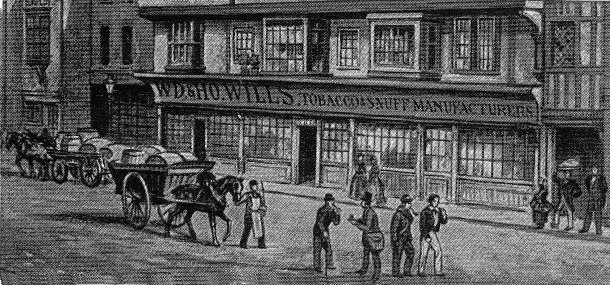
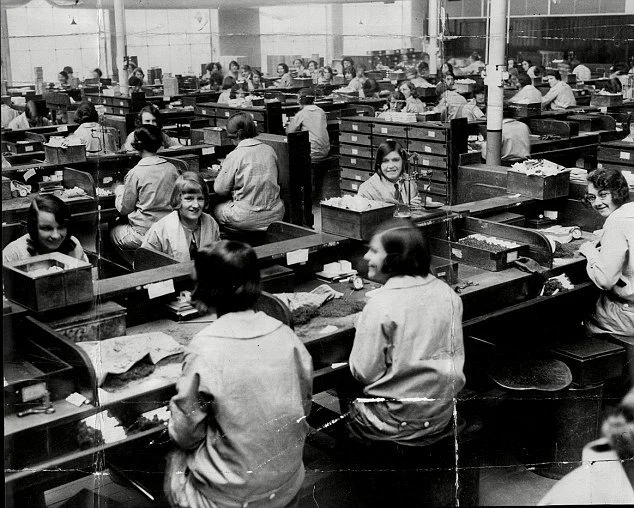
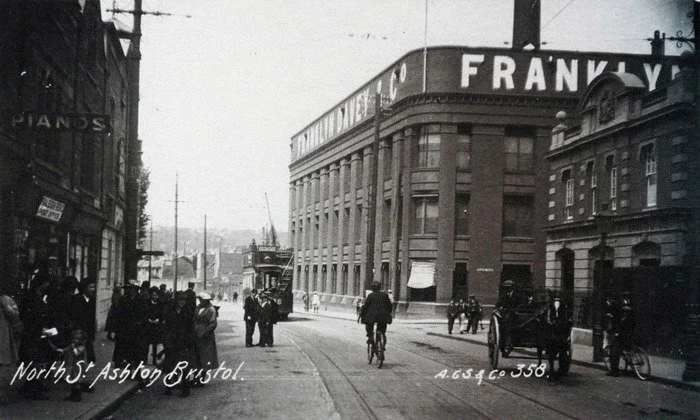
The story begins in 1786 when Henry Overton Wills founded what would become one of the world's largest tobacco companies. As the business flourished, it became renowned not only for its success but also for pioneering employee welfare, introducing benefits such as paid holidays and healthcare.
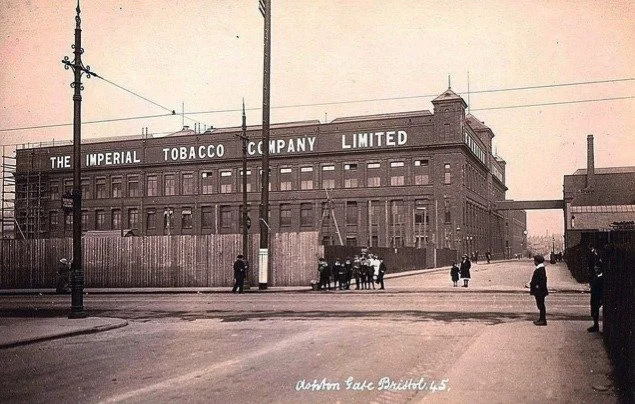
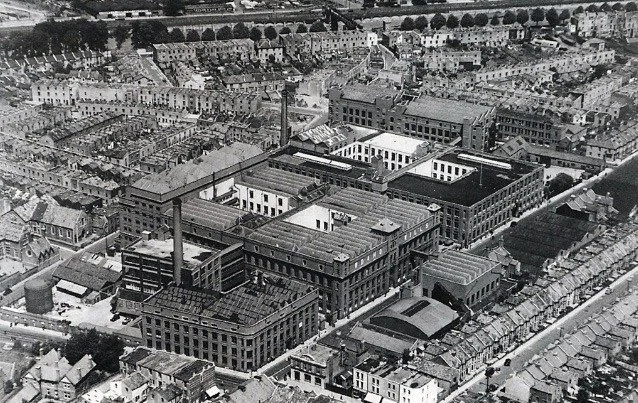
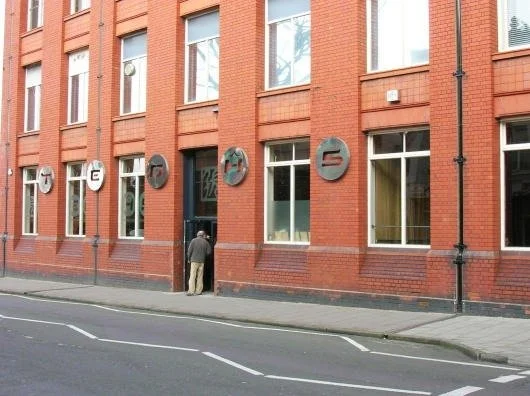
By 1912, the impressive red-brick factory on Raleigh Road had been built as part of a vast industrial complex employing thousands of local people. Designed by Sir Frank Wills, the building became an architectural landmark whose distinctive character still defines the area today.

growth
1912–1971
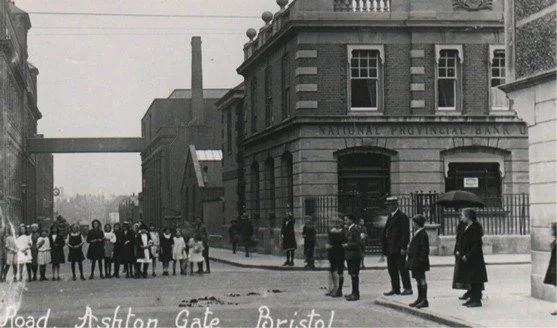
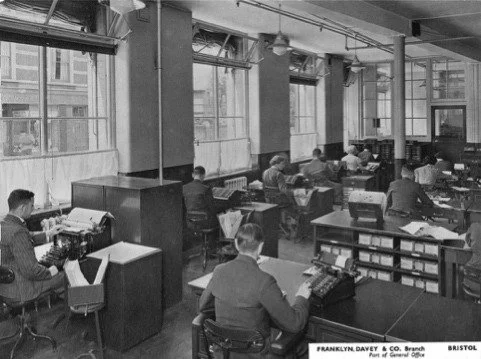
For much of the twentieth century, the Tobacco Factory stood at the heart of South Bristol's economy. At its peak, the surrounding factories covered more than one million square feet and employed over 40% of the local workforce.
The building buzzed with activity, while its bold architecture shaped the streets around it and became a lasting symbol of Bristol's industrial heritage.
Decline
1971–1994
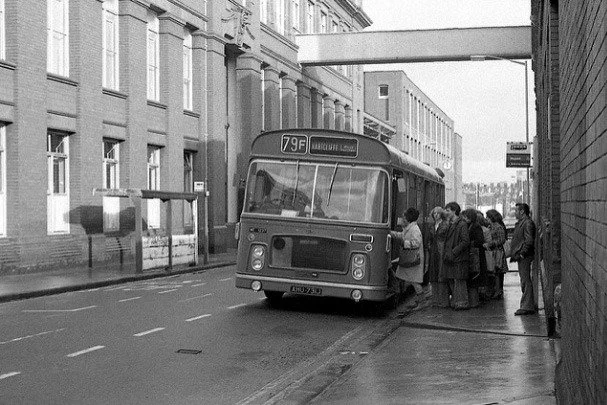
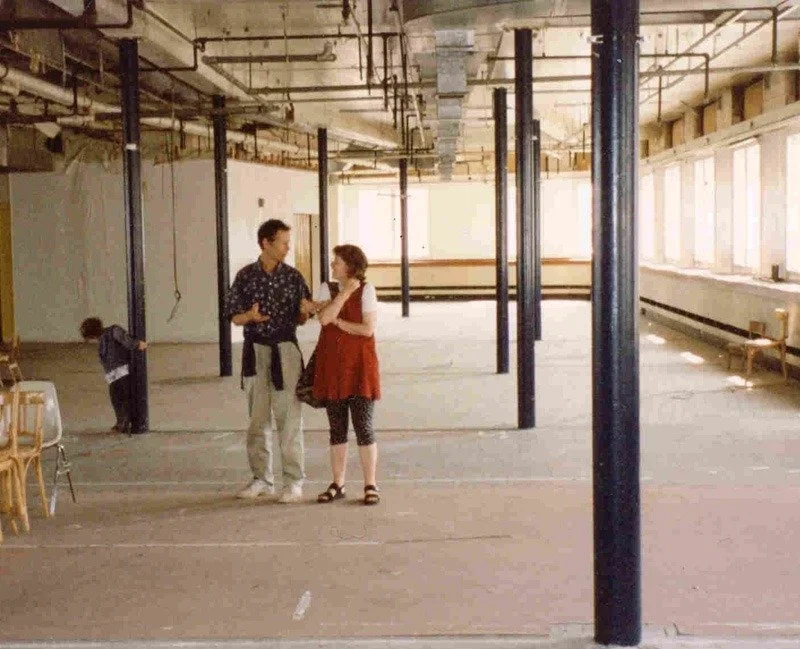
As production gradually moved to Imperial Tobacco's new Hartcliffe headquarters, the once-thriving factories fell silent. Jobs disappeared, unemployment rose and many of the surrounding buildings were demolished.
By the early 1990s, the future of the remaining factory looked uncertain, with demolition appearing increasingly likely.

revival
1994–2001
Everything changed when architect George Ferguson rescued the derelict building from demolition.
Rather than seeing an abandoned factory, he imagined a place where creativity, independent businesses and community life could flourish together. Theatre productions, cafes, restaurants and local initiatives slowly brought new life to the building, transforming it into something entirely unexpected.
A Creative Community
2001–Today
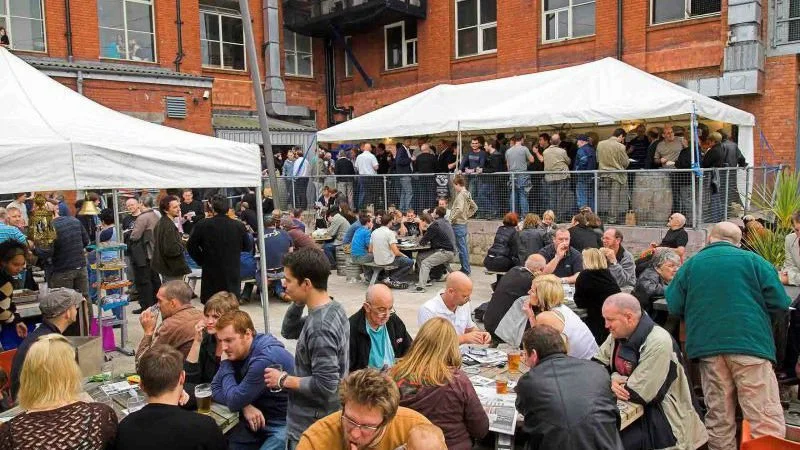
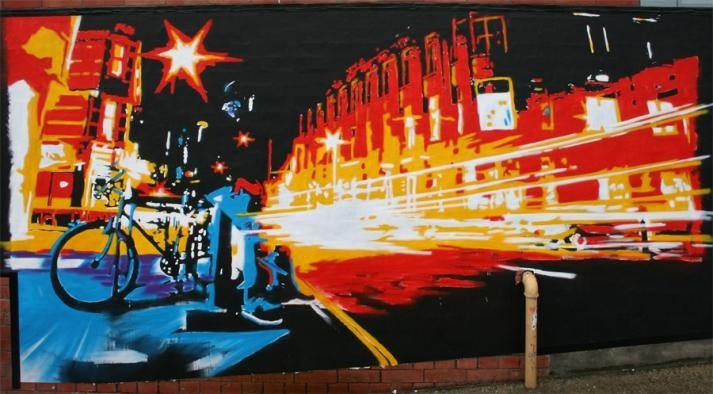
Over the following years, the Tobacco Factory evolved into one of Bristol's most distinctive cultural destinations. The Cafe Bar opened, Sunday Markets became a local institution, Factoberfest and Upfest attracted visitors from across the country, while the theatre established an international reputation for outstanding productions.
Today, the Tobacco Factory continues to celebrate independent culture, creativity and community, honouring its industrial past while constantly evolving for future generations.